
Stone and ceramic tile are popular choices for flooring throughout the home. And with the right tools, they’re easy to install, and long lasting, and they add value and beauty to a home for years to come.
But even these durable floors can lead to frustration and expense if they crack and delaminate over time. In wet areas such as kitchens and bathrooms, where tile is most likely to be installed, keeping subfloors safe from mold and moisture is essential.
Luckily, avoiding these problems is easy with the correct underlayment and proper installation.
Before you start your tile project, let’s discuss the issues you might run into with tile and find out how to solve them with the right product before problems occur.
The Purpose of Uncoupling Membrane Underlayment in a Tile Installation
Underlayment is the layer that sits between your subfloor and the tile or stone you’re installing. Its job is to create a stable and protective foundation so the finished floor stays crack-free, dry, and firm over time. Without this layer, tile and stone are far more vulnerable to movement, moisture, and the expansion and contraction of the subfloor.
Because underlayment affects both the stability and performance of tile, it also plays an important role when you’re adding radiant floor heating. Heating elements need a secure and protected space to sit in. The right underlayment helps manage moisture, reduce movement, and distribute heat evenly.
This is why it’s important to choose uncoupling membranes that are compatible with in-floor heating. They protect the tile, protect the heating cable, and ensure the entire system works the way it should.
The Importance of Using Uncoupling Membrane with Tile
There are four main reasons to use an underlayment with tile; some are more important than others in certain environments.
Shifting is a consideration when planning any tile installation project, while waterproofing is critical in wet areas like kitchens and bathrooms.
Shifting
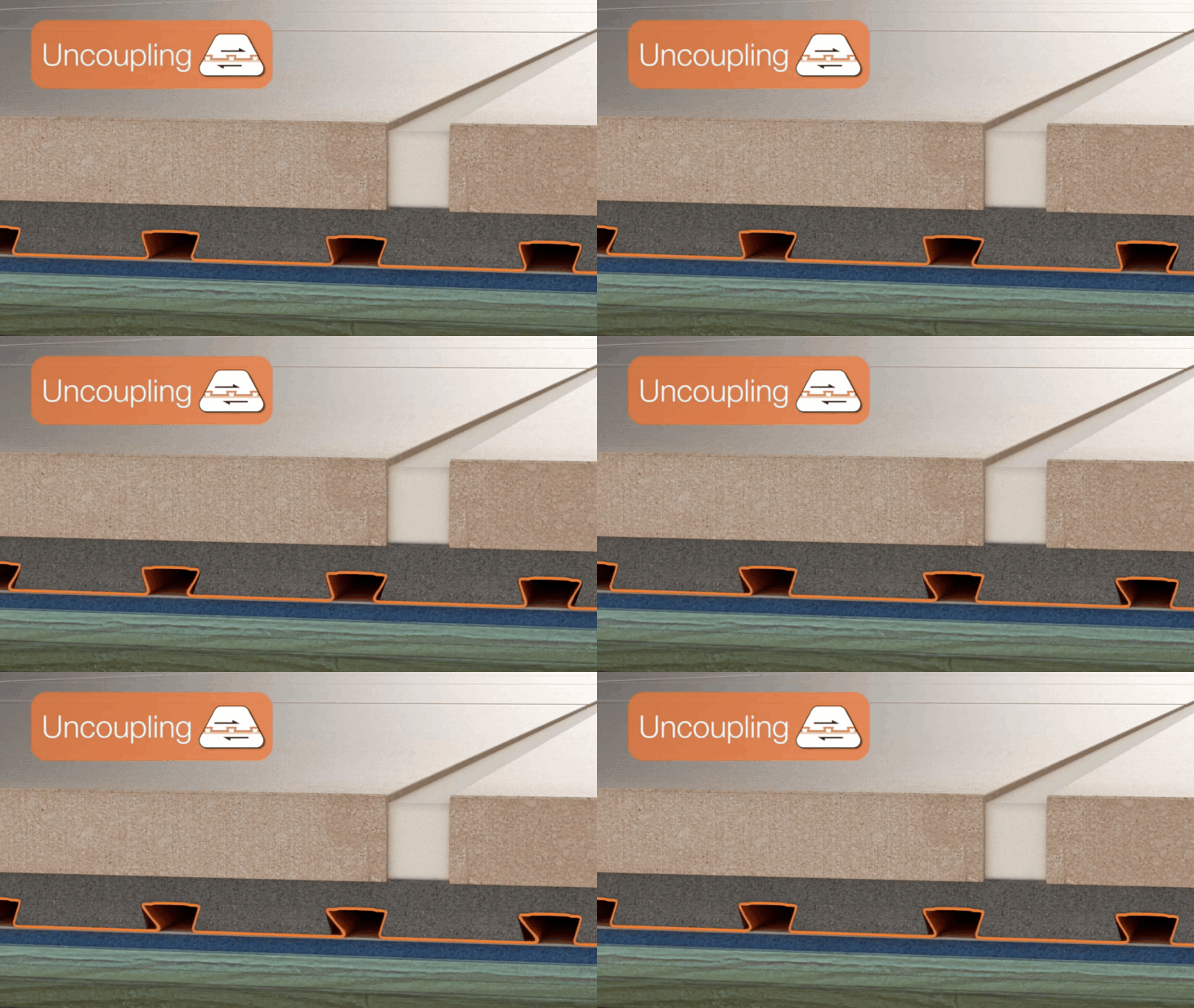
Over time, even the most solidly built homes can experience shifting when floor surfaces expand and contract due to several factors. Newly poured concrete subfloors, for example, can shift while they are cured. Vibration and deflection can also cause shifting in flooring surfaces over the long term.
When you install a rigid surface like tile or stone over a rigid subfloor, an uncoupling membrane can help. This layer enables surfaces to respond to these factors and to shift independently, with just enough “give” to prevent tile floors from cracking and delaminating.
Waterproofing
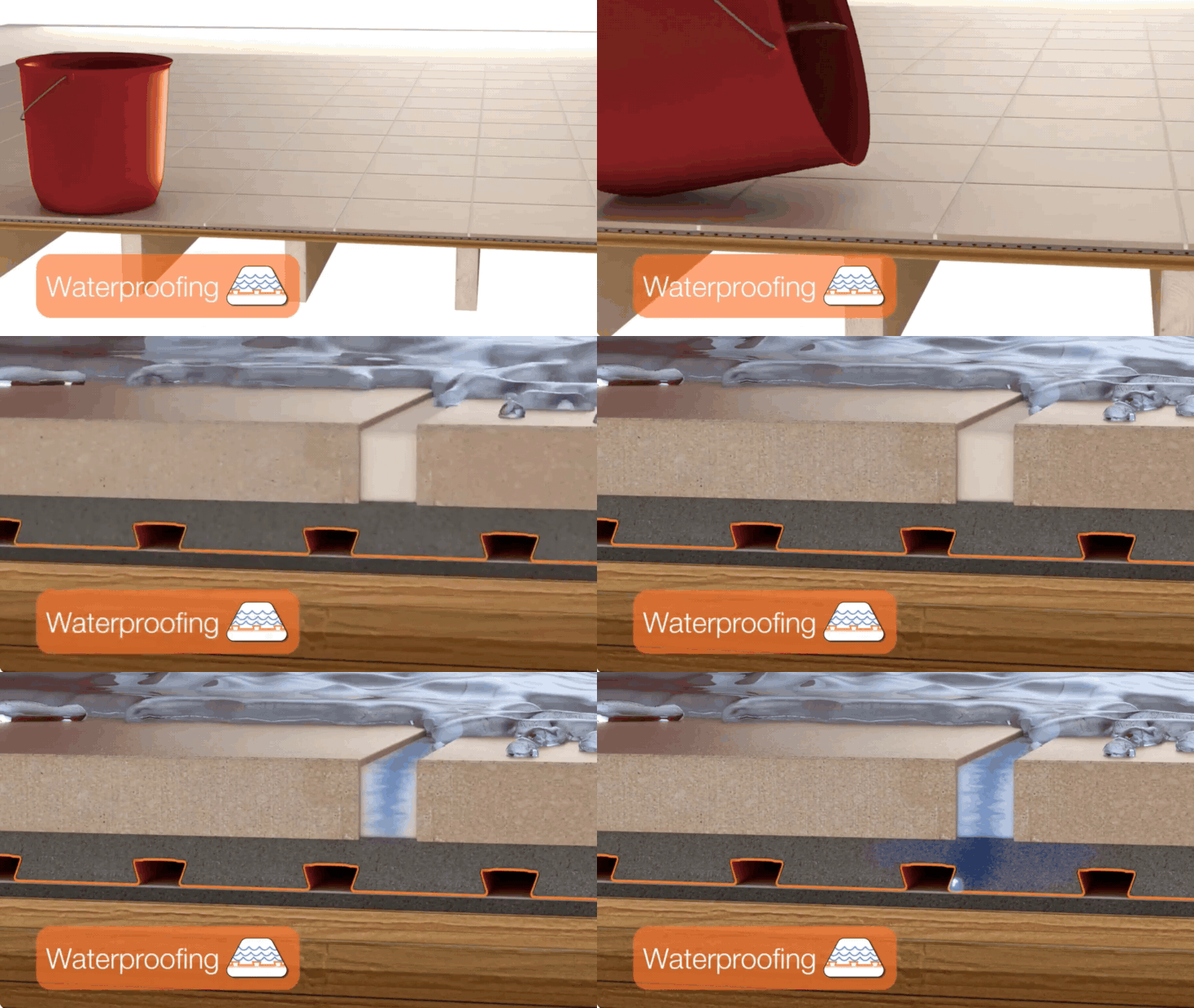
Moist, humid, or wet areas in kitchens and bathrooms can cause problems over time for tile, as water and moisture can seep through the substrate to the subfloor below. If you install tile or stone over a moisture-sensitive subfloor in a wet area, a waterproof underlayment, such as a membrane is an essential barrier to protect the subfloor from mold and mildew.
Vapor Management
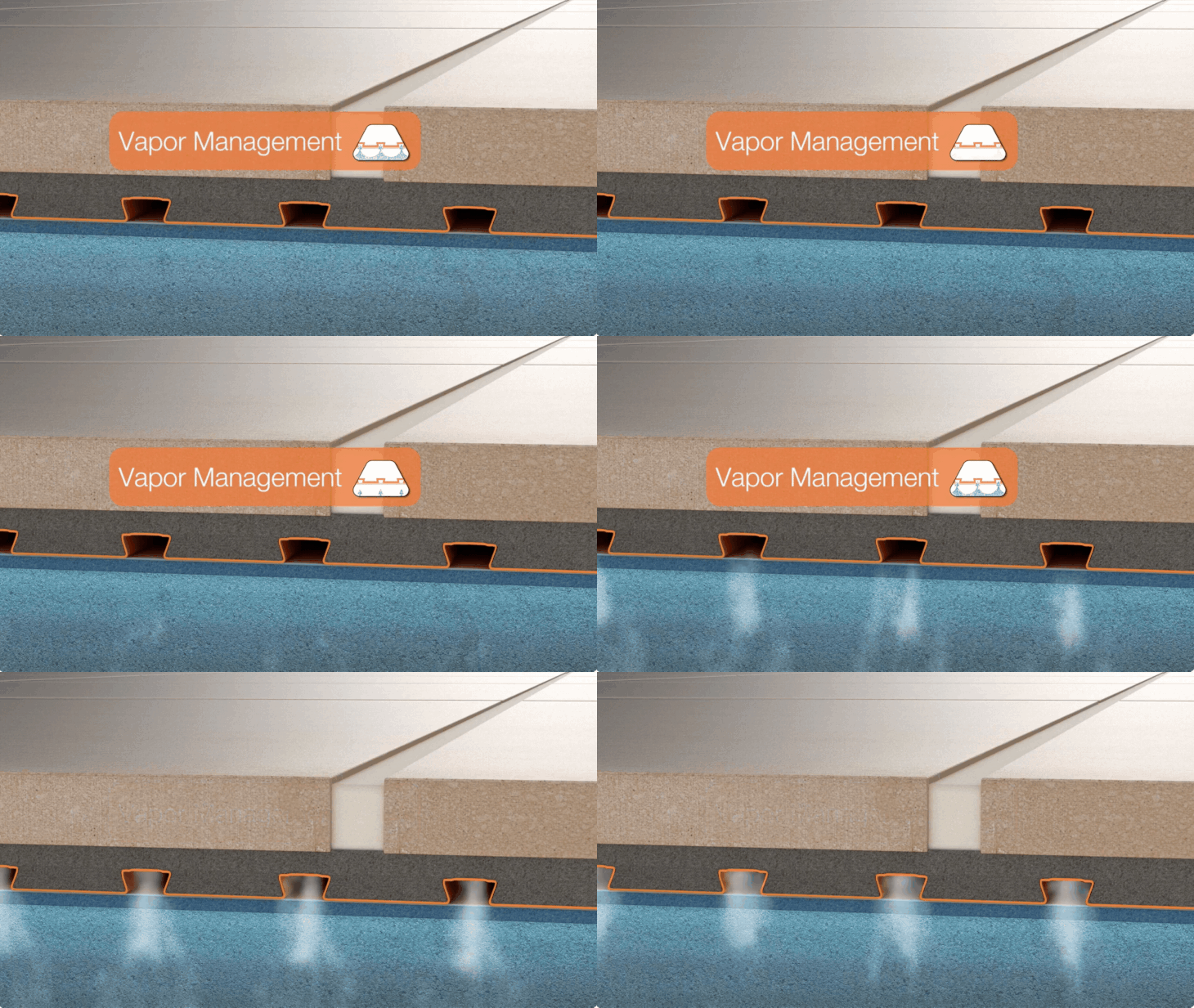
Newly installed tile is also susceptible to moisture damage when the vapor from curing concrete or thin-set mortar can’t escape and stays trapped below the surface. Use an underlayment with vapor management to keep subfloors dry below the surface. Some products, like DITRA-HEAT membrane from Schluter®, can be applied over concrete cured for less than 28 days without compromising the installation.
Support
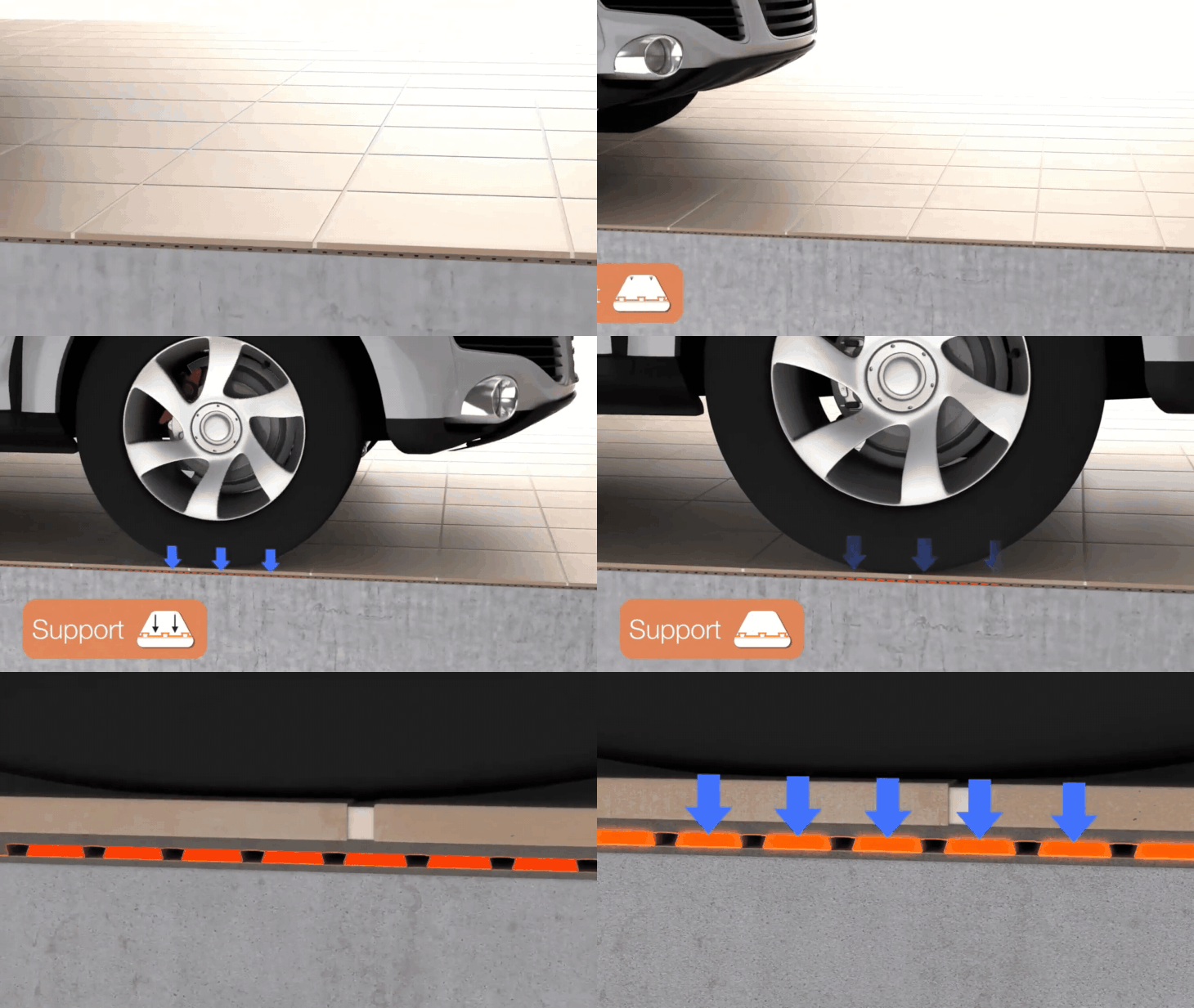
In higher-traffic areas, you’ll want an extra layer of support to avoid cracked or delaminated tiles and to cushion against sudden impact from above. Use a flexible, durable underlayment that responds to pressure with even load distribution to protect tile and stone floors from impact and foot traffic. Membranes are ideal for this type of situation.
Can Underlayment Be Used to Heat Cold Floors?
Underlayment don’t heat a floor on their own, but they play an important role in a radiant floor heating system. Tile and stone often feel cold, especially in bathrooms and other areas you walk barefoot. Adding a floor heating system beneath the tile solves this by warming the surface and keeping the room more comfortable.
Flexible mesh mats are a type of system that can provide heat, but they don’t address subfloor movement, water damage, and vapor issues. That’s why most people choose a heating system with an uncoupling membrane instead. Membranes like DITRA-HEAT from Schluter® hold the heating cable in place, while also providing uncoupling, waterproofing, and load distribution.
Which Underlayment Is Right for Your Project?
You have options when installing tile floors, but not all underlayment works for all applications. Choosing the right underlayment can mean the difference between durable, long-lasting floors today and frustration with costly reinstallation down the road.
Plywood
Plywood is a rigid and relatively inexpensive option for underlayment. It provides a smooth surface for laying tile, but it will swell in moist and wet areas. Use it as an underlayment only in dry applications, not in kitchens or bathrooms, and never install tile directly to a plywood subfloor. (If you have a plywood subfloor in a kitchen or bathroom, opt for a membrane as a layer of protection from water damage.)
Backer Board
Fiber and cement backer boards are popular choices for underlayment with a variety of flooring types. Smooth and rigid, they can be used on floors and walls to back tile, carpet, vinyl, and wood surfaces. But be aware that some backer board products are water-resistant but not necessarily waterproof, so they may swell in especially wet areas and present a problem over time when used under rigid surfaces like tile. Cement backer board is generally waterproof, but can be very heavy and often costly.
Uncoupling Membrane
Flexible and lightweight, uncoupling membranes are easy to install and provide an all-in-one layer of uncoupling, support, vapor management, and waterproofing to stone and ceramic tile floors laid over concrete, plywood, and other subflooring. They can now even be used under engineered wood, carpet, or vinyl, though they are still not recommended under hardwood flooring. And some membranes, like Schluter’s DITRA-HEAT, are specially designed to make installing electric radiant heat to tile floors quick and easy.
Using Underlayment with Radiant Heat
When you add radiant floor heating to a tile or stone installation, the underlayment becomes even more important. The heating elements need a stable, protected base, and the tile above needs support that can handle both heat and movement. Not all underlayments are designed for this type of application. Choosing the right underlayment type makes a difference in performance, durability, and lifespan.
The DITRA-HEAT membrane is an excellent choice for underlayment in tile and stone applications. It’s an all-in-one solution to combat tile problems before they start, with vapor management, waterproofing, load distribution, and uncoupling properties.
It’s also the only underlayment that features specially designed channels to easily install electric radiant heating cable. This membrane can be adhered with a layer of thin-set, and then heating cable is clicked into the channels of the uncoupling membrane’s honeycomb structure, where they’re protected from possible damage when spreading thin-set mortar before tile is applied directly on top.
Get Your Project Started with Warm Your Floor
For your tile or stone project, protect those beautiful floors and add comfort and luxury with a DITRA-HEAT floor heating system. You’ll enjoy them for years to come. Contact us today to get started!
Stay Warm and Informed
Stay one step ahead with expert articles, heating hacks, and product news delivered right to your inbox when you sign up for our newsletter.